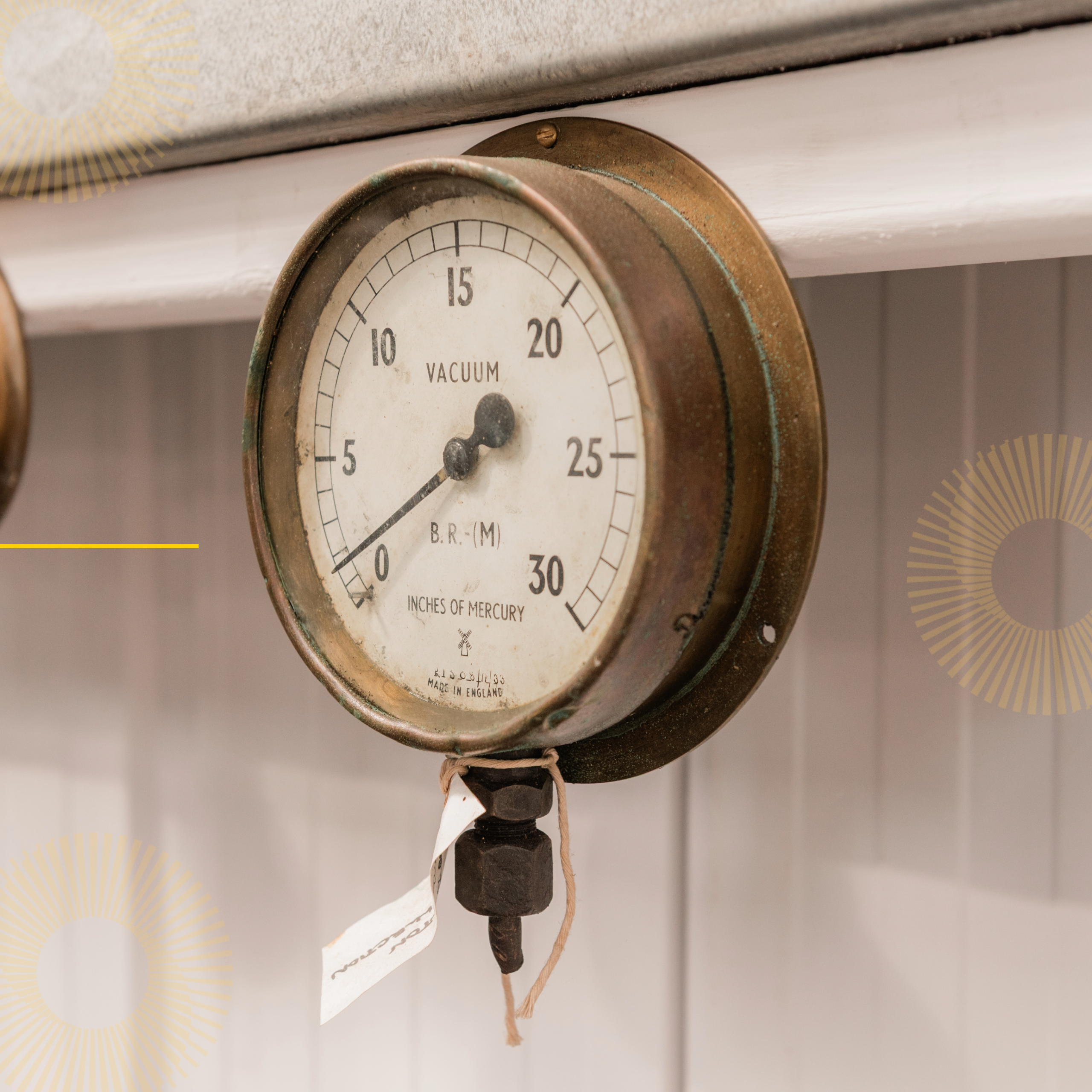
The transition from ownership to subscription has arrived already.
Is there anything that you used to own which you now consider too risky? Do you still have use and access to that thing but now it is owned by someone else? Do you still get the same value despite the change?
These may appear broad and vague questions. However, they demonstrate the reality of a shift in ownership of assets over the last six years. Whether it is a move from owning a CD/DVD to streaming platform, owning a car to a lease or ride share, or a move from your own data storage to a cloud system, ownership and how we view it has changed.
Why? Whether we perceive it or not, whether we have actively considered it or just happened into it, it’s all to do with risk.
A major shift has occurred: many are moving away from direct asset ownership toward models offering diversification, liquidity, subscription access, insulation from operational risk, and platform managed exposure. The user gets the benefit of asset utilisation while also receiving a reduction in risk associated with traditional ownership.
This change can be seen across nearly all industries including business aviation. Data provided by WingX in March 2026, demonstrates that business aviation has undergone one of its most significant structural shifts in decades: the traditional corporate ownership model has gradually weakened, while fractional ownership and membership based aviation platforms have expanded rapidly. And industry reporting shows this is not a temporary post pandemic phenomenon, but part of a broader evolution in how companies and wealthy individuals access business aircraft.
What does the data say?
An extract from the data produced by WingX and presented to the BBGA annual conference on 12 March 2026, showed clearly the decline in corporate flight department companies in comparison to fractional ownership:
| Type | Departures (2025) | v 1Y ago (2024) | v 6Y ago (2019) |
| Aircraft Management | 191,014 | -3.1% | -0.9% |
| Branded Charter | 150,215 | -0.8% | 4.9% |
| Fractional Ownership | 89,126 | 6.4% | 66.4% |
| Corporate Flight Department | 35,844 | -6.6% | -32.7% |
| Private Flight Department | 35,016 | 18.6% | 29.6% |
What does this mean?
When looked at through the lens of risk and modern principles of corporate governance the shift is obvious. Geo politics and the business landscape have shifted towards sustainability concerns, stakeholder scrutiny, transparency in financial statements and ESG pressure over the last decade
The rise of fractional subscription models have allowed corporations to reduce the risk and reputation exposure of owning an aircraft for corporate use while still getting the access they desire.


High net worth individuals are entering the Netflix and Spotify era by separating their aviation assets into their own family office affairs to ensure flexibility away from corporate control and scrutiny and embracing subscription models.
So, what does ownership mean now?
Liability and risk still rest somewhere. An aircraft is still ultimately owned by someone or something no matter whether its use is positioned elsewhere. Whether an aircraft is owned by the family office, a corporate, a fractional/subscription model or a finance lease, there is a bill of sale with a name on it. If something were to happen to the aircraft the ownership entity will be scrutinised as will all users of the aircraft in the chain notwithstanding the risk spread along the way. And while monetary risk may be limited, reputational risk is always a threat.
But does this matter?
Lawyers, tax advisors, financiers and insurers will shout yes, yes and yes! And of course they will; this is how they make money; giving advice and looking at the fine detail. Many more will get bogged into the details and write blogs, articles, analytical studies and detailed presentations of why it is so important to the business aviation industry.
However, for many corporations, entrepreneurs and high net worth families who benefit from the use of business aviation, this is just a shift in the details. So long as the user still gets access to aircraft and the value it provides, the user does not care too much about whether or not they actually own the aircraft. This is the new reality: traditionally accepted models change and business aviation needs to deal with it, adapt and move on.
In our final instalment, we explore why firms must continuously reposition to remain relevant in a changing market.