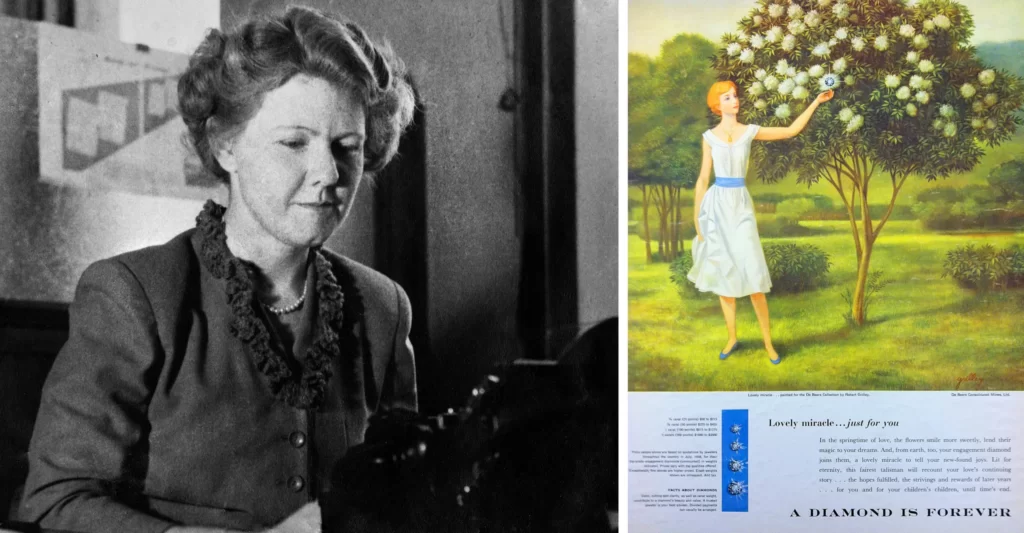
In 1999, Ad Age named ‘A Diamond Is Forever’ the best advertising slogan of the 20th century. Created by a young copywriter, Frances Gerety, in 1947, it was initially linked to the iconic solitaire engagement ring. Since then, it has come to be synonymous with the cultural and emotional power of all natural diamonds. As stated by Rapaport.com in March 2026.
Like a diamond, formed under immense pressure and over time, business aircraft ownership is shaped by adversity rather than weakened by it. The challenges of; regulatory shifts, market cycles, operational complexity, all apply pressure, but that pressure is precisely what creates strength, resilience, and long term value. When ownership is arranged correctly, these stresses do not merely test it; they produce something rare and enduring. In this way, a well managed aircraft is not fragile in the face of volatility. It is antifragile, emerging stronger and more valuable because of it.
The Glittering Ingenuity
A great example of this was discussed in the Financial Times in September 2025: ‘Aircraft owners are cashing in on a supply chain crunch by leasing their engines to people facing long waits for their own aircraft to be repaired’.
For years, aircraft have been understood as prestige assets that lose money. In a market facing engine shortages, maintenance delays and scarce technical labour, some owners are discovering that the same aircraft can produce income, optionality and that a business jet can now produce a small operating profit.
This is a radical shift in how business aircraft owners think about their assets.
As Laura Uberoi, Head of Private Wealth Finance at law firm Addleshaw Goddard, points out “It’s the first time in my career I have seen families turning a profit on their private jets, which are usually a depreciating liability. Typically, people didn’t do that in private jets as the jets are busy, but the practice has been increasing as the commercial incentive has made it worthwhile.”

What caused this radical change?
Kevin Michaels, Managing Director of AeroDynamic Advisory, pointed out that there is “a well known issue with small propulsion engine supply chain” which was delaying maintenance and repairs.
Pratt & Whitney, Rolls Royce and Honeywell cannot scale production fast enough to close the gap. Turnaround times that used to be two to three months now range from four to 10 months.
Lessons from Antifragility
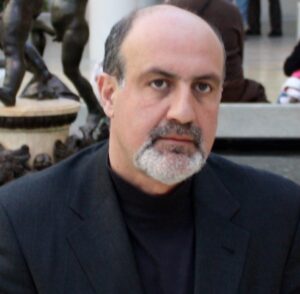
Author, Nicholas Nassim Taleb’s idea about being ‘antifragile’ is a useful lens for learning what the wider business aircraft industry can learn from this ‘assets not liabilities’ strategy.
Taleb’s basic idea is this:
• Some things break under stress.
• Some things survive stress.
• A few things get better because of stress.
Taleb calls that last category ‘antifragile’. He believes that if you put anything under the right amount of stress, they can grow or improve. Just like making a diamond!
Taleb says most people only think in two categories: breaks or does not break. However, there is a third and very important category: something that improves because of volatility, pressure, randomness, disorder, mistakes, and shocks.
‘Fragile’ in the world of business aviation is an owner whose aircraft is financed, taxed, insured and managed as one indivisible luxury asset. ‘Antifragile’ is an owner who can additionally keep operating and innovates around our current world of volatility, tariffs, and inflation.
Commercial Aviation Show Us the Way
Commercial aviation has already shown what happens when supply chain issues change the economics of the asset itself. The Pratt & Whitney GTF crisis grounded around 800 aircraft worldwide, roughly a third of the global A320neo family fleet, as the powdered metal defect went through inspection and replacement.
IndiGo sold two, six year old, A321neos to be broken up for parts, those aircraft cost over $100m when new. Six years later they were valued at about $42m but parted out, they were worth more than $55m.
The implication for owners, lawyers and tax advisers is to stop treating an aircraft as one indivisible asset. The hull, the engines, the avionics, the interior, the certification and the registration each have their own markets and their own scarcity profiles, and each should be valued on its own terms.
Becoming Antifragile
The nature of business aircraft ownership is changing. Our volatile world is showing which ownership models are static and fragile and which are built to benefit from change.
In business aviation, being antifragile now means arranging and organising the aircraft, along with the legal and financial arrangements so that the volatility creates more options rather than reducing them.
The starting point just might be to stop thinking of business aircraft as one indivisible object and start treating it as a portfolio of scarce, tradable and strategically valuable assets.
In our next instalment we focus on how markets will not wait for strategies to catch up. The article explains why relevance must stay in motion.